
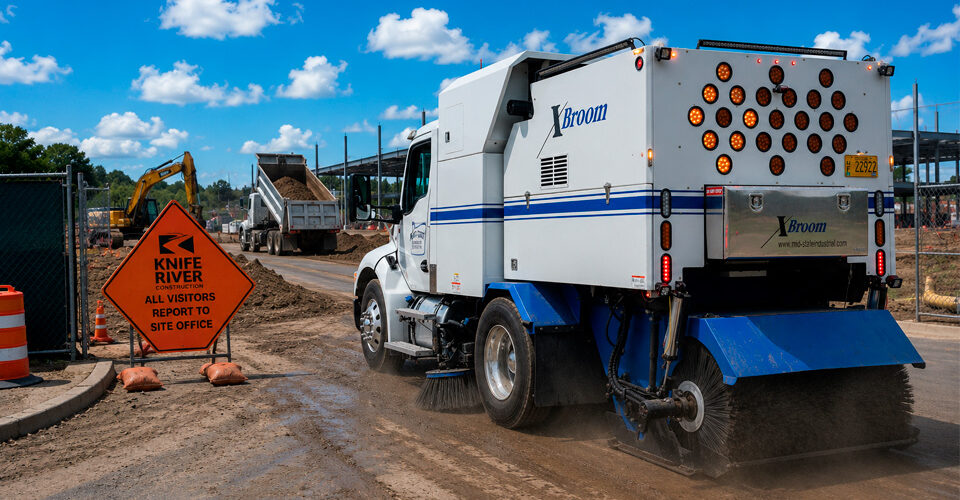
Oregon spring construction brings rain, soft ground, exposed soil, and heavy equipment. That combination can turn a normal jobsite entrance into a track-out problem fast.
Track-out happens when trucks and equipment carry mud, rock, soil, and debris from a construction site onto public roads. Once that material leaves the site, it can create safety concerns, stormwater issues, complaints, and added pressure from inspectors.
The best way to manage track-out is to prevent it from building up in the first place.
Spring conditions make track-out harder to control
Oregon contractors know how quickly spring weather can change site conditions. A dry entrance in the morning can become soft and muddy by the afternoon. Heavy equipment, haul trucks, and delivery vehicles can then carry that material onto nearby roads, intersections, bike lanes, curbs, gutters, and storm drain areas.
Spring track-out problems are especially common when:
- Soil is exposed during grading or excavation
- Trucks are moving in and out of the site all day
- Rain softens temporary access roads
- Gravel construction entrances begin to break down
- Haul routes cross public pavement
- Drainage areas collect sediment near curb lines
- Crews are focused on production, and cleanup falls behind
That does not mean the project is being poorly managed. It means the site needs a cleanup plan that matches the conditions.
Track-out prevention starts at the site entrance
Most track-out issues begin where construction traffic leaves the jobsite and enters a public road.
A stabilized entrance, rock pad, rumble strip, or wheel wash area can help reduce material leaving the site. But those controls do not eliminate the need for sweeping. As vehicles continue moving, sediment and debris can still collect at the entrance, spread onto the roadway, and move toward drainage areas.
Regular sweeping helps keep those controls working by removing accumulated material before it spreads.
Build sweeping into the job plan
Construction sweeping works best when it is planned ahead of time, not treated as a last-minute emergency.
A scheduled sweeping plan can be adjusted around:
- Weather forecasts
- Haul truck activity
- Grading and excavation phases
- Concrete, paving, or utility work
- Inspection schedules
- High-traffic workdays
- Project owner or municipal requirements
For active jobsites, sweeping may be needed daily, weekly, after rain events, or during specific phases of construction. The right schedule depends on the level of truck traffic, site access, soil conditions, and proximity to public roads and stormwater infrastructure.
Watch the high-risk areas
Track-out is not always limited to the main entrance. Material can collect in several places around an active construction site.
Common areas to monitor include:
- Site entrances and exits
- Haul roads
- Truck staging areas
- Loading and unloading zones
- Public road shoulders
- Curbs and gutters
- Nearby intersections
- Catch basins and storm drain inlets
- Access roads used by subcontractors or deliveries
When these areas are swept regularly, crews can reduce buildup before it becomes visible enough to draw complaints or create inspection concerns.
Sweeping supports SWPPP housekeeping
For projects with Stormwater Pollution Prevention Plan (SWMP) or erosion control requirements, routine sweeping is part of good housekeeping.
Sweeping helps remove sediment and debris from paved surfaces before it reaches storm drains, catch basins, or drainage pathways. It also shows that the site is being actively maintained, which can be helpful when inspectors, municipalities, project owners, or general contractors review site conditions.
Good documentation matters too. When sweeping is scheduled and tracked, it supports the overall record of site maintenance and corrective action.
When to increase sweeping frequency
Some project phases create more track-out than others. Contractors should consider increasing sweeping during high-risk periods instead of waiting until material has already spread.
Sweeping frequency may need to increase when:
- Rain is in the forecast
- Soil conditions are soft or saturated
- Haul trucks are running continuously
- Excavation or grading is active
- Rock entrances are no longer controlling sediment
- Inspectors have flagged housekeeping concerns
- Work is near storm drains, waterways, or public intersections
- Paving, striping, or closeout is approaching
Being proactive during these windows can help prevent bigger problems later.
Mid-State helps Oregon contractors stay ahead of track-out
Mid-State Industrial Service provides construction site sweeping for contractors, developers, municipalities, and project owners across Oregon.
Our crews help keep access roads, haul routes, curb lines, gutters, and public pavement clean during active construction. We can provide scheduled sweeping during planned work phases, additional service during wet weather, and emergency response when conditions change quickly.
Mid-State supports construction sites with:
- Track-out prevention
- Jobsite entrance cleanup
- Haul road sweeping
- Curb and gutter sweeping
- Storm drain and catch basin area cleanup
- Public roadway cleanup near active construction
- Scheduled and on-demand sweeping service
With statewide coverage, specialized sweeping equipment, and 24/7 emergency dispatch availability, Mid-State helps contractors keep jobsites clean, compliant, and moving.
Get ahead of spring track-out
Track-out is easier to prevent than it is to fix after complaints, inspections, or delays begin.
If your Oregon construction project is starting, ramping up, or moving into a high-traffic phase, now is the time to build sweeping into the plan.
Ready to keep your site clean and compliant this spring? Call Mid-State Industrial at (541) 726-6730 or Request a Quote.
We Handle The Dirty Work, So You Don’t Have To.